

Don’t Let Your Mating Box Bees Go to Waste This Autumn 🐝💛
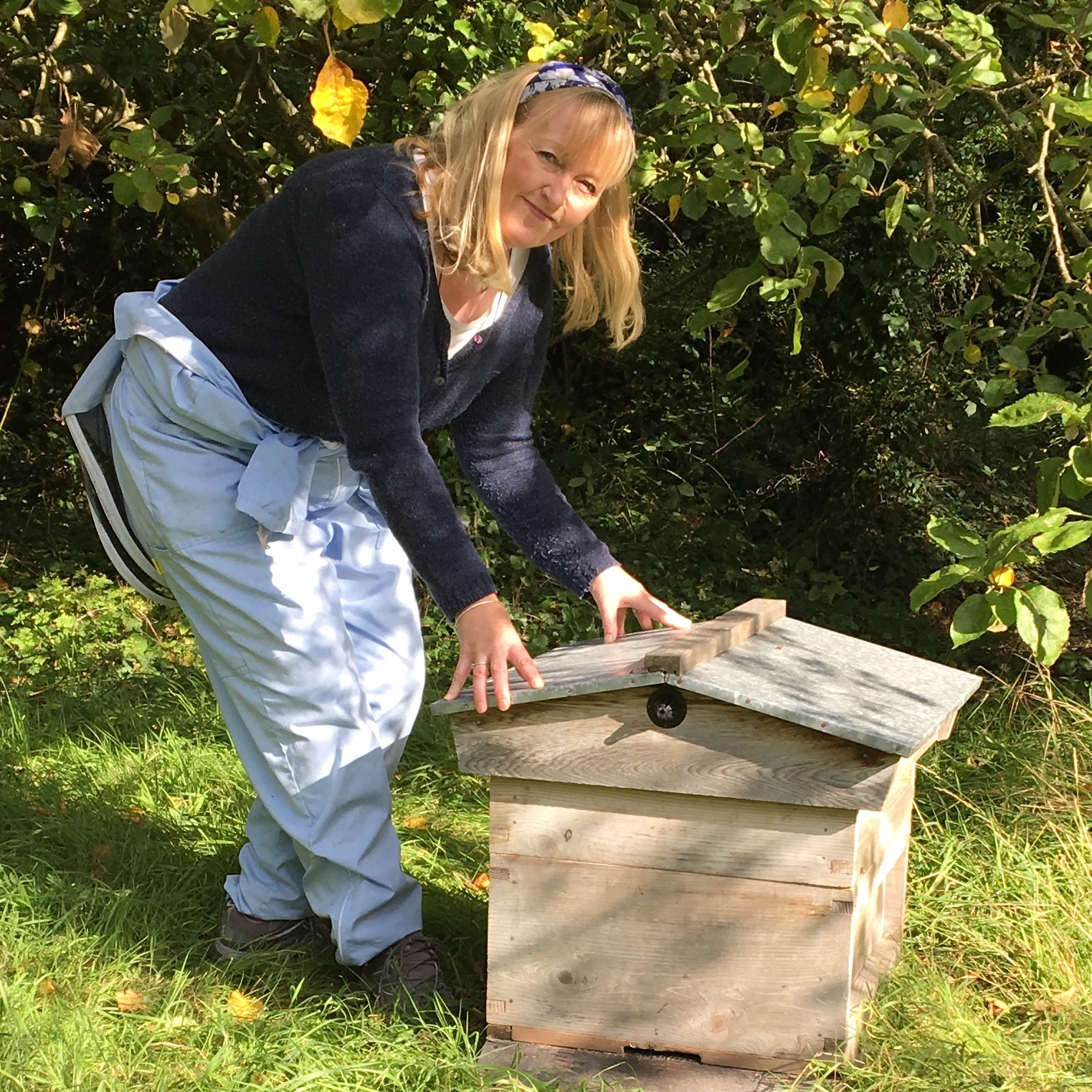
Don’t let your mating box bees go to waste this autumn 🍂🐝
There’s something rather lovely about autumn in the apiary. The flowers are fading, the bees are slowing down, and everything seems to whisper, “winter is coming…”
But before you tuck those little mating boxes away for another season, take a second look at the bees inside.
Those small colonies may still have plenty to offer and with a little thought, they could be put to good use rather than simply fading away with the summer.
So, if you still have mating box bees that you’re wondering what to do with this autumn, stay with me - it might just save a perfectly good little colony. 🐝🍁
Mating boxes are small hives designed for raising and housing a new queen until she is ready to join a full colony. If you’ve been raising queens this summer, then you’ve probably already removed and moved most of your queens on... But without a queen to lead them now, they can’t survive for long on their own.
Here’s something many beekeepers overlook: even after the queen is gone, those boxes can still contain more than 300 adult worker bees, plus baby bees waiting to hatch out of their cells (this stage is called capped brood). These bees have worked hard all summer helping you raise queens.
Instead of letting them dwindle away, or worse, get robbed by wasps - you can save them and put their energy back into your apiary - by donating them to another colony.
Why Save the Bees from Your Mating Boxes?
Even though they’re small in number, those bees still have so much to give. Worker bees care for brood (developing baby bees), help defend the hive, and collect food. By merging them with another hive, you give them purpose again and make the receiving colony stronger going into winter. It’s a win-win: the bees don’t go to waste, and the colony you boost will be better prepared for the colder months.

Step-by-Step: How to Re-home Mating Box Bees.
Even if you’re new to beekeeping, this is a straightforward process.
Step 1: Check for a queen.
Make sure the mating box is truly queenless. If there’s still a queen inside (laying workers,
or signs of the bees trying to raise one), they won’t integrate properly with another colony.
Step 2: Close the entrance.
Seal the small front entrance of the mating box, but keep the ventilation open so the bees don’t overheat.
Step 3: Prepare the recipient hive.
Choose the colony you want to strengthen. Even just 1 mating box can strengthen and boost a small nuc.
On top of its brood box (the main box where bees raise young), place a single sheet of newspaper, then set an empty brood box on top. Cut a few tiny slits in the paper with your hive tool. This newspaper acts as a “slow-introduction barrier” so the two groups of bees don’t fight.
Step 4: Add the bees.
Open the floor of the mating box slightly and place the whole box inside the empty brood box. The open floor should be on top of the newspaper. (If you’re using Apidea-style mating boxes, you can actually fit up to three of them into a standard National brood box.)
Step 5: Close up the hive.
Replace the crown board (the inner cover) and lid as usual.
Within about 10 minutes, the bees will begin to chew through the newspaper. and over the next week, they’ll gradually merge into their new colony, all while continuing to care for the emerging baby bees.
A Little Bee Kindness Goes a Long Way
For beginners, this is a lovely way to see how adaptable and cooperative honey bees can be. They don’t just work for themselves - they can be integrated into a new family, ready to help with winter preparations.
For seasoned beekeepers, it’s a practical way to ensure your efforts in queen rearing don’t go to waste. Every bee counts, and by rescuing your leftover mating box workers, you’re making the most of their hard work.
So this autumn, before you set aside your mating boxes, take a moment to save those bees. They’ve supported your beekeeping all summer - now you can give them the chance to live out their days in a thriving hive.
🐝💛
Thank you for buzzing by 🐝
Thanks so much for taking the time to read. Whether you’re an experienced beekeeper, just beginning your journey, or simply curious about the wonderful world of bees, we’d love to hear from you.
If this has sparked a question, given you something to think about, or you’d simply like to chat bees, please do get in touch. There’s always more to learn, share and discover together.
Find out more about our beekeepers association, what we do and how to get in touch:
Until next time, happy beekeeping!
🍯🐝


Comments