
🍂The Autumn Apiary
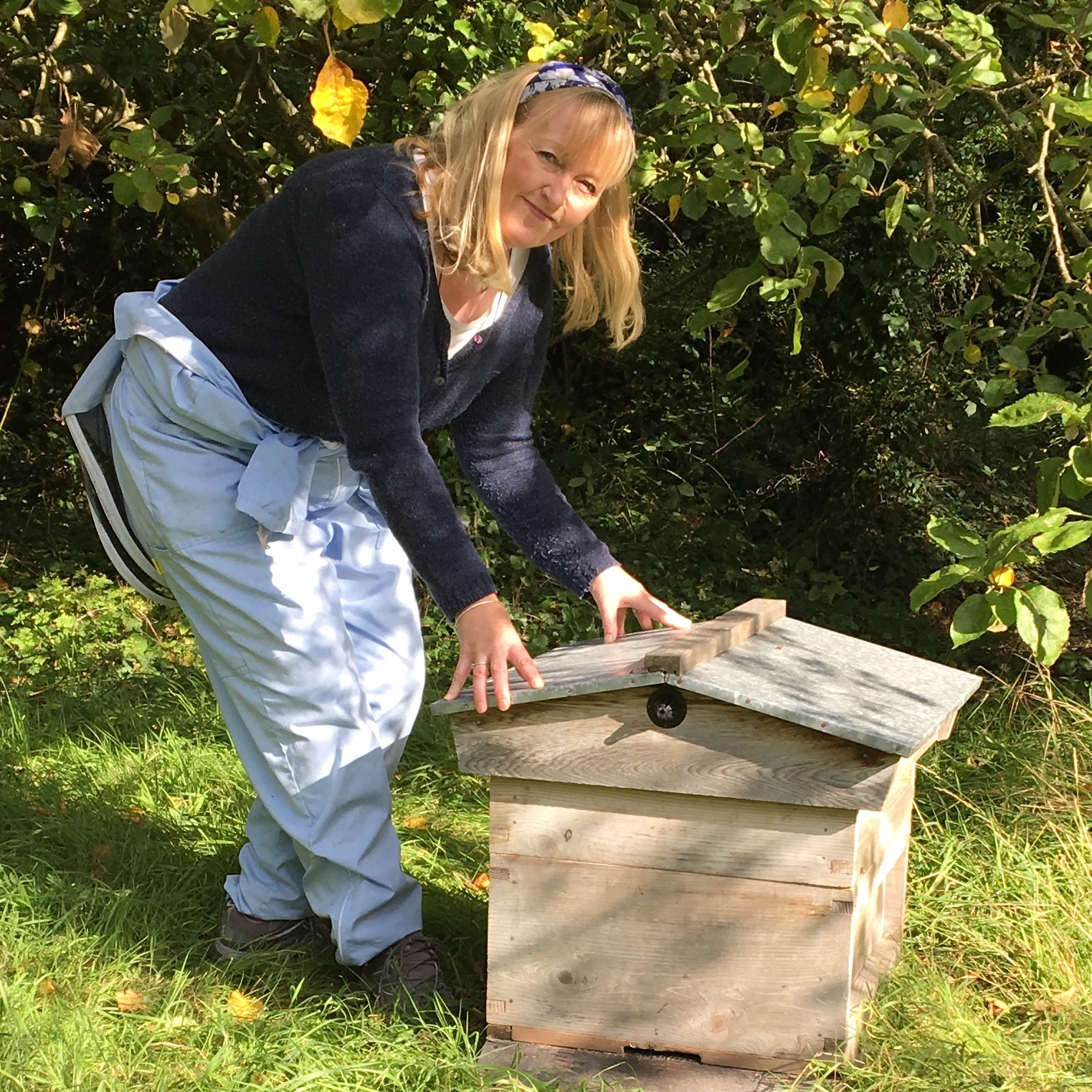
Updated: 3 days ago
Season of mists and mellow fruitfulness,
Close bosom-friend of the maturing sun;
Conspiring with him how to load and bless
With fruit the vines that round the thatch-eaves run;
And fill all fruit with ripeness to the core.
— John Keats, To Autumn

I have always loved how beautifully Keats captures this time of year. September/ October is a season of abundance - but there is a quiet sense of urgency running through it too.
Autumn is fruitful, but fleeting and feels particularly fitting in the apiary. The bees are still busy on those precious late flowers, bringing in nectar and pollen and filling their stores, seemingly unaware that the long days are slipping away.

Yet beneath all that activity, the colony is already changing. Brood rearing is slowing, winter bees are being raised and the hive is beginning its gradual transition towards the quieter months ahead.
For the beekeeper, time is of the essence. September gives us a precious window in which to assess, feed, treat, repair and prepare. There is still time to put things right - but that window will soon begin to close.
Our task now is to work alongside the bees: to make sure they are healthy, well provisioned and secure, and then, as far as possible, to leave them to do what bees have been doing for thousands of autumns before us.

Here is my take on some of the main points to consider when time is of the essence. September is a crucial month in the Northern Irish apiary.
The days are shortening, temperatures are beginning to fall, and what we do now will have a significant bearing on how well our colonies come through winter.

Assess every colony
* Is the colony queenright?
* Is there a healthy brood pattern?
* Is the colony strong enough to overwinter?
* Are there any signs of disease or abnormal brood?
* Are there weak colonies that would be better united rather than taken into winter separately?
* Make decisions now - opportunities to correct problems become increasingly limited as autumn progresses.
Check winter stores
* Assess the stores in every hive - don’t assume that because one colony is heavy, that they all are.
* Heft colonies and record those that feel particularly light.
* Feed colonies that require additional stores while temperatures are still sufficiently warm for bees to take down and process syrup.
* Remember that larger colonies may require considerably more stores than smaller ones.
* Continue to monitor stores throughout autumn.
Varroa and colony health
* Ensure autumn Varroa treatment has been completed or is underway as appropriate.
* Follow the instructions for the treatment being used, including treatment duration and removal dates.
* Record treatments.
* Remember that healthy winter bees are particularly important to the colony’s survival.
* Investigate colonies that appear unexpectedly weak rather than simply feeding them and hoping for the best.
Sharing resources - disease first
At this time of year we may be tempted to balance colonies by moving brood, stores or equipment between them. This can be useful, but we must always consider the risk of spreading disease.
* Only move frames between colonies that are believed to be healthy.
* Inspect brood carefully before transferring frames.
* Never transfer brood, honey or comb from a colony where disease is suspected.
* Be particularly conscious of the potential spread of EFB and AFB through comb and equipment.
* Keep a record of resources moved between colonies.
* When in doubt, don’t move it.
Prepare the hive parts for autumn and winter
* Remove unnecessary supers and empty boxes.
* Reduce entrances where appropriate.
* Fit mouse guards at the appropriate time.
* Check roofs and hive components for damage.
* Make sure hives are weatherproof but appropriately ventilated.
* Check that water cannot pool beneath or around the hives.
* Clear entrances of excessive vegetation.
* Consider exposure to prevailing wind and driving rain.

Secure the hives
Our Northern Irish autumn and winter weather can bring strong winds and prolonged wet conditions.
* Make sure every hive is sitting on a secure, substantial and heavy stand.
* Check stands for movement, rot or instability.
* Strap hives down securely.
* Check existing straps for deterioration and replace where necessary.
* Remember that strapping boxes together is not enough if the entire stand can overturn.
* Recheck hive security after periods of severe weather.

Make the most of late forage
* Ivy can provide an important late source of nectar and pollen.
* Observe what forage the bees are bringing in rather than assuming the season is finished.
* Allow the bees to make use of good late forage where conditions permit.
* Don’t rely on an anticipated ivy flow to make up for seriously inadequate winter stores.

By the end of September, aim for:
* Healthy, queenright colonies.
* Strong enough populations to overwinter.
* Varroa under control.
* Adequate winter stores.
* Weak colonies dealt with appropriately.
* No unresolved disease concerns.
* Entrances reduced as necessary.
* Hives weatherproof.
* Hives strapped securely onto strong, heavy stands.
* Good records completed.
The goal is not to keep opening colonies throughout autumn, but to get the important work done now, while there is still time for us — and the bees — to put things right.

And then, we leave them to it…
Once the feeding is finished, the treatments are complete, the roofs are sound and every hive is securely strapped down, there is something rather lovely about knowing we have done what we can.
May you have a peaceful autumn, with your bees safely tucked up, stores around them and their hives secure against the wind and rain.
And while we turn our attention to the quieter jobs of winter, hopefully they will simply get on with what they do best - being bees.


Comments